

Is Exploring Africa's Vast Wildlife the Next Step for Australian Conservationists?

Exploring African Wildlife
Unique Ecosystems and Habitats
Engaging with the profound beauty of African ecosystems is genuinely inspiring, much like wandering through the lush expanses of the Mount Coot-tha Botanic Gardens back home in Brisbane. The vast savannas and dense rainforests of Africa are teeming with life—offering an abundance of landscapes that contribute to the rich tapestry of wildlife. For those of us drawn to nature's wonders, embarking on Africa tours presents a chance to witness unique habitats, each supporting diverse species.
Key Species Indigenous to Africa
African wildlife is a marvel, with species like elephants, lions, and rhinos capturing our imagination. The enormity of an elephant or the silent power of a lion evokes a sense of awe similar to watching koalas at rest in the Lone Pine Koala Sanctuary. For any nature enthusiast, observing these animals in their natural environment during South American tours can be a transformative experience, fostering a deeper appreciation for wildlife conservation.
Conservation Challenges Faced
Africa's conservation efforts face significant hurdles. These include poaching, habitat destruction, and the impacts of climate change. The resilience of conservationists in the face of such challenges reminds me of our local efforts to preserve the Brisbane Forest Park. It's about community collaboration and innovative approaches to safeguard these essential ecosystems for future generations. Addressing these challenges is vital to preserving the astonishing natural beauty encountered on a South America travel journey.
Australian Conservation Tactics
Proven Australian Techniques
As someone who loves nature and visits places like the stunning Mount Coot-tha Botanic Gardens in Brisbane, I’m genuinely fascinated by how Australia handles conservation efforts. Techniques such as controlled burning are critical here, which help maintain biodiversity while reducing bushfire risks. This practice, rooted deeply in Indigenous traditions, respects our natural lands and has a profound impact on the ecosystems. When I see its effects firsthand in local forests and national parks, it makes me wonder how similar methods could be applied to preserve diverse wildlife on Botswana tours.
Community Involvement Strategies
Another integral part of preserving our wildlife is the involvement of local communities. Whether it's through school programs, volunteering opportunities, or local councils, empowering individuals to take ownership of conservation efforts in Australia has shown remarkable results. Drawing parallels with community-led projects in Africa, say during a Botswana safari, could offer incredible insights. How impactful would it be if communities living in and around these safari destinations implemented grassroots strategies akin to ours? The success stories from the Brisbane Forest Park remind me of the power of unified community action.
Technological Innovations in Use
Australia is at the forefront of using technology for conservation. The use of drones for monitoring and data collection ensures minimal disturbance to wildlife while providing accurate information essential for making informed decisions. Imagine combining these tech strategies with African tours—the synergy could lead to significant advancements in wilderness conservation. Technology not only enriches our understanding but also intensifies our connection with the environment, making the quest to preserve it more personal and engaging.
Tech-Enhanced African Safaris
Virtual Reality and Wildlife Tours
As a nature enthusiast, I am continually amazed by how technology is revolutionizing our interaction with wildlife. Virtual reality, for instance, has brought a new dimension to wildlife tours Galapagos tours. By slipping on a VR headset, you can virtually immerse yourself in the vibrant landscapes of African savannas or marvel at the majestic dance of animals in real time. The experience is akin to being transported to a realm where you can almost feel the pulse of the wild with every virtual encounter.
Drone-Assisted Exploration
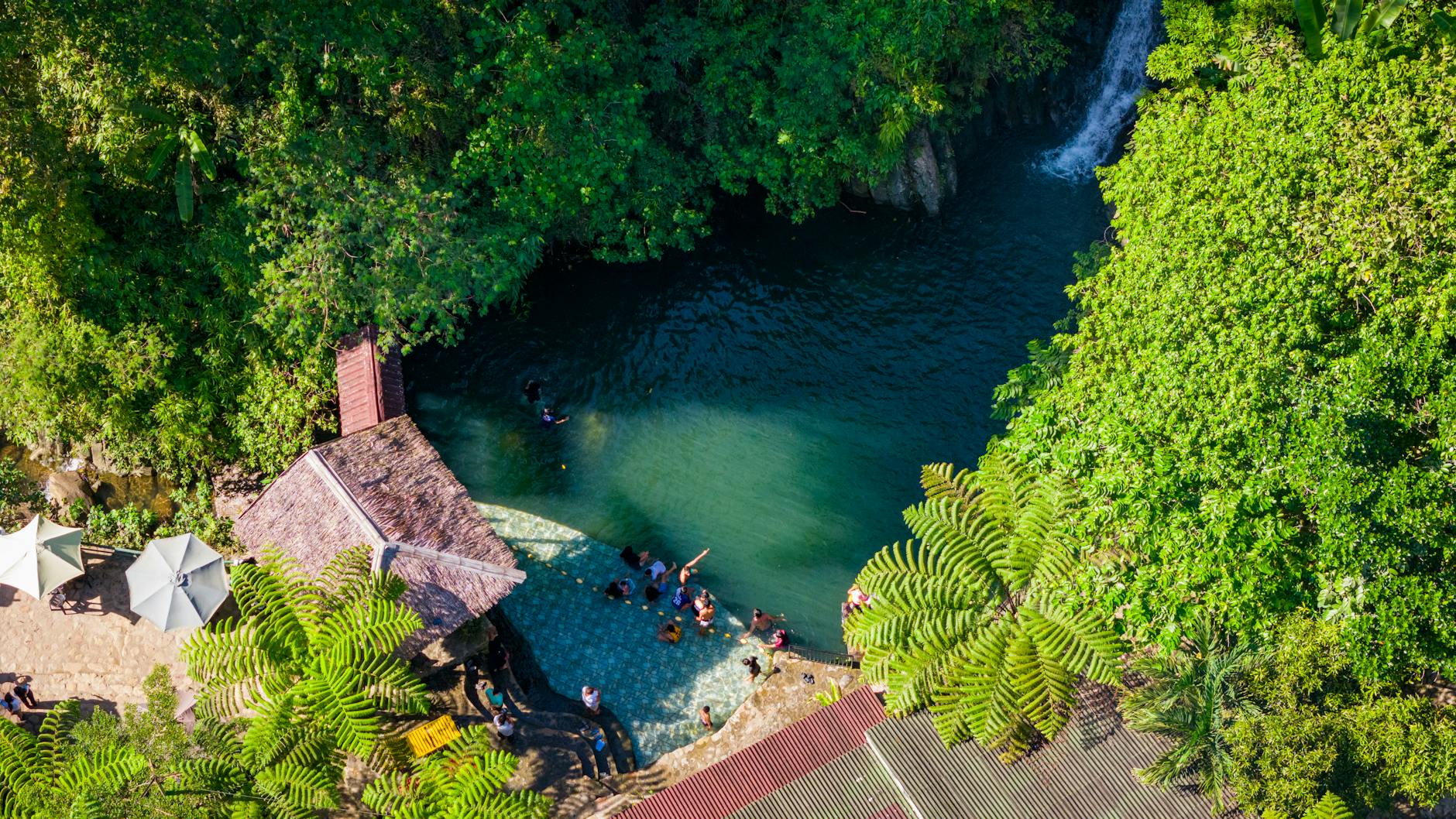
Drones have transformed the observational aspect of safaris, providing unprecedented views from above. These compact aerial devices offer an eagle-eye perspective, allowing you to capture the breathtaking expanse of wildlife, such as observing a herd's majestic migrations or tracking elusive predators without disturbing them. This aerial advantage allows us to appreciate the natural beauty of places like the Brisbane Forest Park back home while experimenting with new angles in a different continent.
GPS-Guided Trekking Adventures
Adventuring through African terrains with GPS-guided trekking ensures you never stray too far from the right path. Such innovative technology grants explorers the assurance of navigation accuracy, enhancing both safety and exploration freedom Namibia safari. It provides an opportunity to engage with remote areas, guided by precise tracks, enabling us to explore these compelling landscapes independently while still having the support of technology at our fingertips.
Opportunities for Collaboration
Knowledge Exchange Programs
In a world where our environmental challenges are as interconnected as our ecosystems, knowledge exchange programs offer a unique platform to bridge gaps in understanding and innovation. For anyone passionate about conservation, like a nature enthusiast from Brisbane savouring the lush landscapes of the Lone Pine Koala Sanctuary, engaging with other parts of the world can be eye-opening. Imagine the insights you could bring home from an Africa safari, where conservation efforts in the wildest terrains yield learnings that could enrich our local practices and vice versa.
Joint Research Initiatives
Joint research initiatives represent a powerful avenue for collaboration between Australia and Africa. As we marvel at the beauty of Mount Coot-tha Botanic Gardens, we can appreciate how collective research efforts might shape new conservation strategies. Shared projects, often including a Kenya safari, can lead to significant discoveries by combining local expertise and scientific innovation from different continents. The exchange of research fosters not just better conservation practices but also builds lasting global partnerships.
Volunteer Experiences for Conservation
If you’re inspired by the Brisbane Forest Park's commitment to wildlife, consider enriching your knowledge through volunteer experiences in African conservation. Volunteering abroad allows you to be directly involved in critical conservation tasks, offering a hands-on understanding of biodiversity preservation in diverse ecosystems. These experiences empower you to bring valuable skills and renewed perspectives back to your community, contributing to both local and global conservation goals.
Common Mistakes
Miscalculating Travel Arrangements
When planning your African or South American excursion, it's essential to accurately assess the logistical requirements to avoid surprises. Often, travellers misjudge best time to travel to Africa or the duration it takes to navigate terrains unfamiliar to us. Just as one would prepare for a serene day at Brisbane's Mount Coot-tha Botanic Gardens, ensuring that the path, weather, and timing are in harmony is pivotal. Missing connections or underestimating travel distances can disrupt your precious adventure time.
Cultural Sensitivity Oversights
Cultural nuances are easily overlooked, yet embracing them enhances our travel experience and enriches our understanding. Like immersing oneself in the cultural tales at Lone Pine Koala Sanctuary, it’s vital to recognise and respect local traditions, beliefs, and practices when embarking on a journey abroad. Being open and respectful not only makes interactions smoother but also shows genuine interest and appreciation, paving the way for meaningful connections.
Ethical Considerations Overlooked
Ethical considerations are at the heart of responsible tourism. Often understated, these need careful attention, similar to our conservation efforts here in Brisbane's own natural jewels. When visiting wildlife sanctuaries or reserves, it's crucial to consider the environmental and ethical implications of your actions. Ensuring that your presence supports rather than harms local ecosystems reflects our everyday conservation ethos, akin to nurturing the landscapes of Brisbane Forest Park. This mindful approach not only safeguards the biodiversity of your travel destinations but also enriches the journey for yourself and future explorers.